Unguja
Zanzibar’s main island, home to Stone Town, Jozani Forest and the east-coast lagoons.
Welcome to Zanzibar, off the coast of Tanzania in the Indian Ocean. Start at sunrise with a ride along the coast or a gym session, then take a dhow out into deep-blue water, dive a reef or catch the wind in Paje. There’s sunshine much of the year and daytime temperatures often hover around 30°C. April and May are usually the wettest months. There are still bright spells, and a rainy day is a good excuse to linger over lunch or spend an afternoon in a museum.
Follow the scent of cloves and cinnamon through a spice market. Get lost among carved doors and museums in UNESCO-listed Stone Town. Try Swahili seafood for lunch and take your pick of cuisines from around the world at dinner. Outside town, the roads run past palms and lush tropical gardens. In Jozani, look up for red colobus monkeys.
Zanzibar is changing fast. New places to eat, work and train are opening, and people from around the world come to spend time here. Stay a little longer and you’ll get a feel for pole pole, the Swahili way of taking things slowly. Friendly hellos become familiar faces, and sunset becomes part of your day. It’s the kind of island you can picture living on for a while.
Off Tanzania’s mainland, Zanzibar is made up of two main islands, Unguja and Pemba, and more than 50 smaller islands and islets.
Zanzibar’s main island, home to Stone Town, Jozani Forest and the east-coast lagoons.
Clove-growing hills, the Ngezi forest and reefs along the coast.
A coral island off Pemba’s west coast, within the Pemba Channel Conservation Area.
An inhabited island off northwest Unguja, where fishing and farming are part of daily life.
A small islet off northeast Unguja, surrounded by reefs popular with snorkellers and divers.
A small island just offshore from Stone Town, also known as Prison Island.
An island off southwest Unguja with a protected coral reef and coastal forest.
The COLIZA app currently covers Unguja, Zanzibar’s main island.
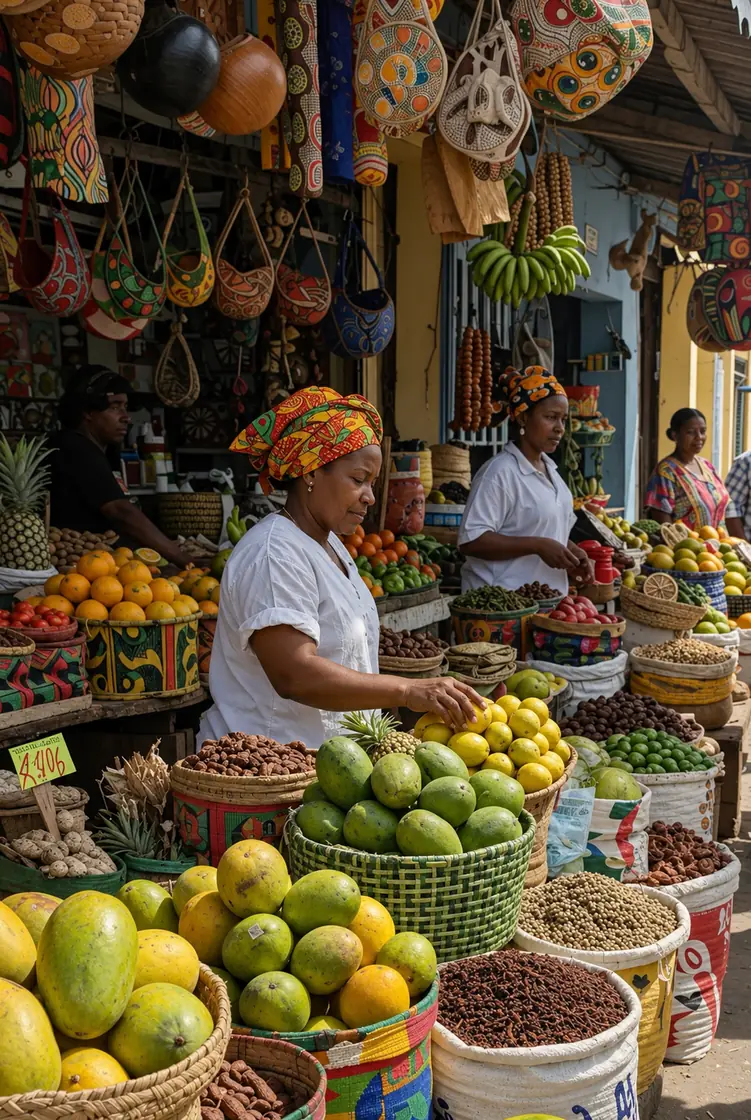
Cloves helped put Zanzibar on the Indian Ocean trade map. On a working spice farm you can smell cinnamon straight from the bark, see vanilla climbing its support and crack open nutmeg to find the bright red mace around the seed.
Save room for what’s in season. A day out here might start with ripe papaya or jackfruit and end at the market with coconut, mango and a bag of cloves to take home.
Find spice and culture tours on the map with the COLIZA Pass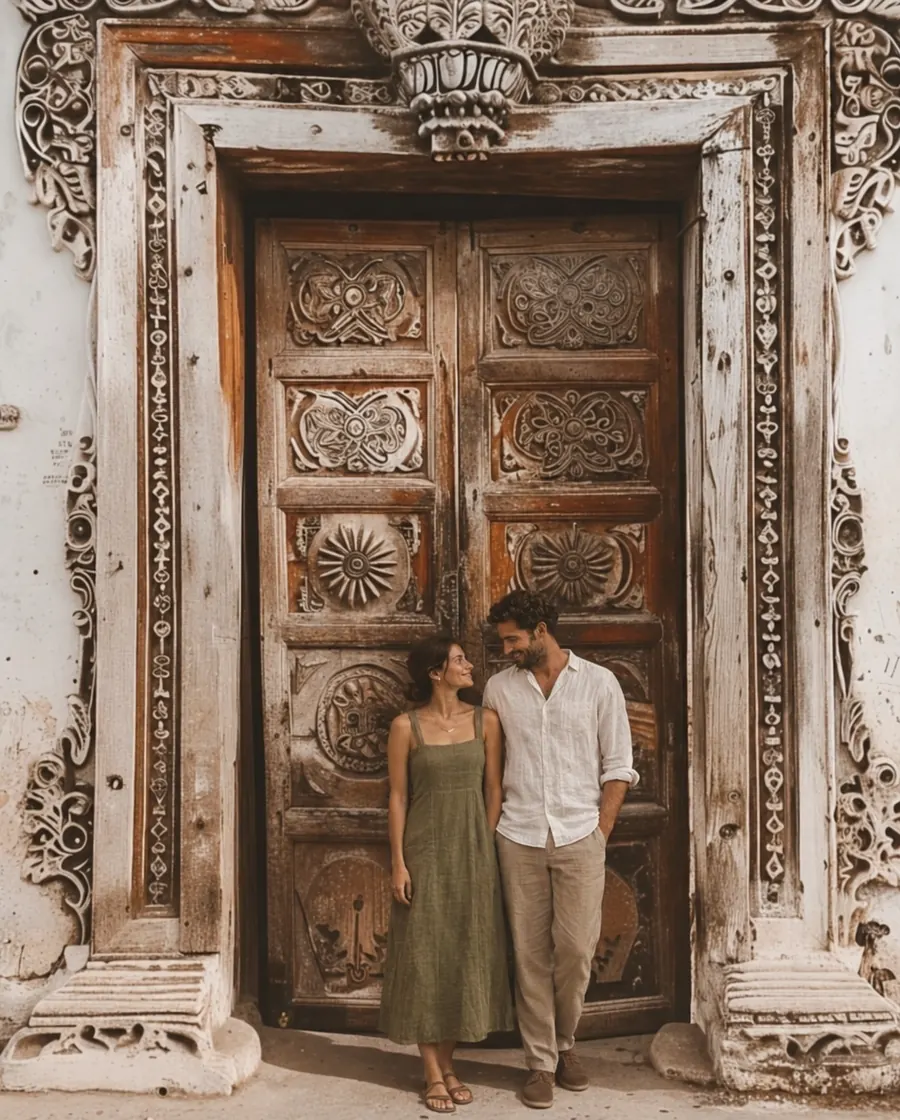
Stone Town, Zanzibar City’s old quarter, is a UNESCO World Heritage Site. Its builders used coral ragstone, lime mortar and mangrove timber. Walk a few lanes and you’ll see how that local stone gave the old town its distinct character.
Trade linked this Swahili port to Arabia, India and far beyond. Its carved doors still show that history: Omani Arab traditions sit alongside Swahili and Indian craftsmanship. Mosques and the call to prayer reflect Zanzibar’s long Islamic history. The city also holds the memory of the East African slave trade, a chapter worth making time to understand.
Read Stone Town’s UNESCO listing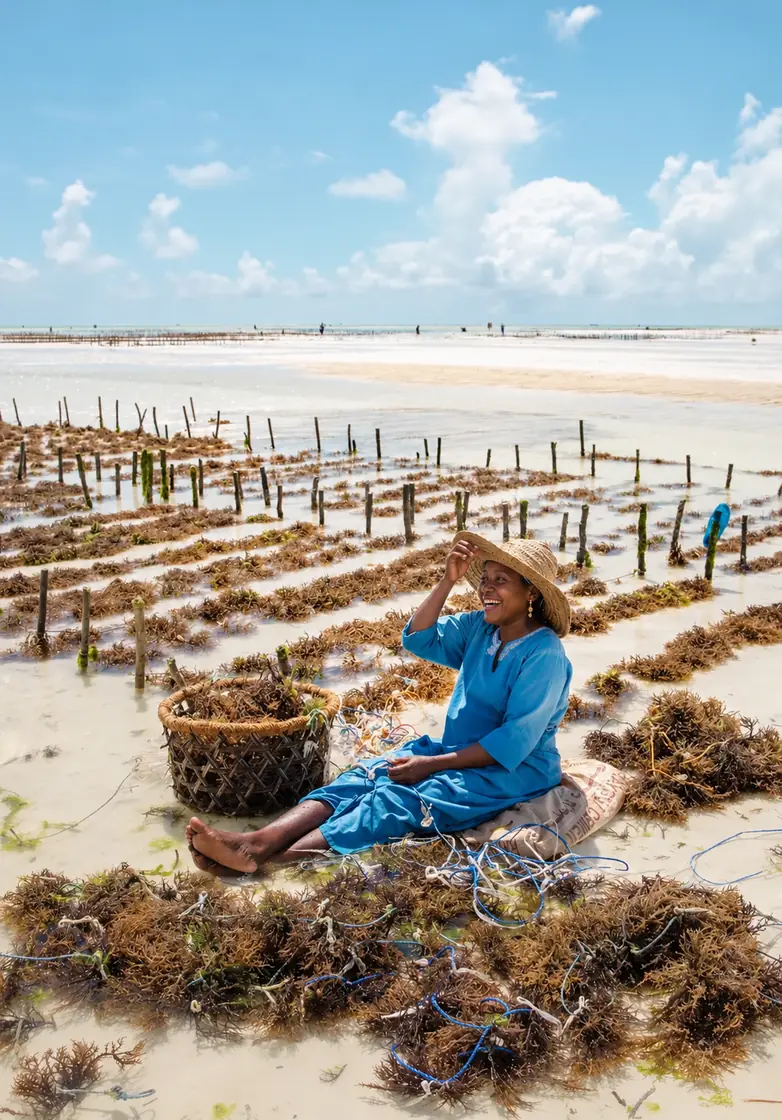
At low tide, look out across parts of Zanzibar’s east coast. Rows of stakes mark the farms where seaweed grows. Farmers tie the seaweed to lines, then bring it ashore to dry. The tides shape the workday.
Women have been central to this industry, which has given many farmers an income of their own. Men have joined the sector too. Zanzibar is an important seaweed producer in the region. Farmers and cooperatives are working to earn more from their harvest by improving drying and making products locally.
Learn about Zanzibar’s seaweed farming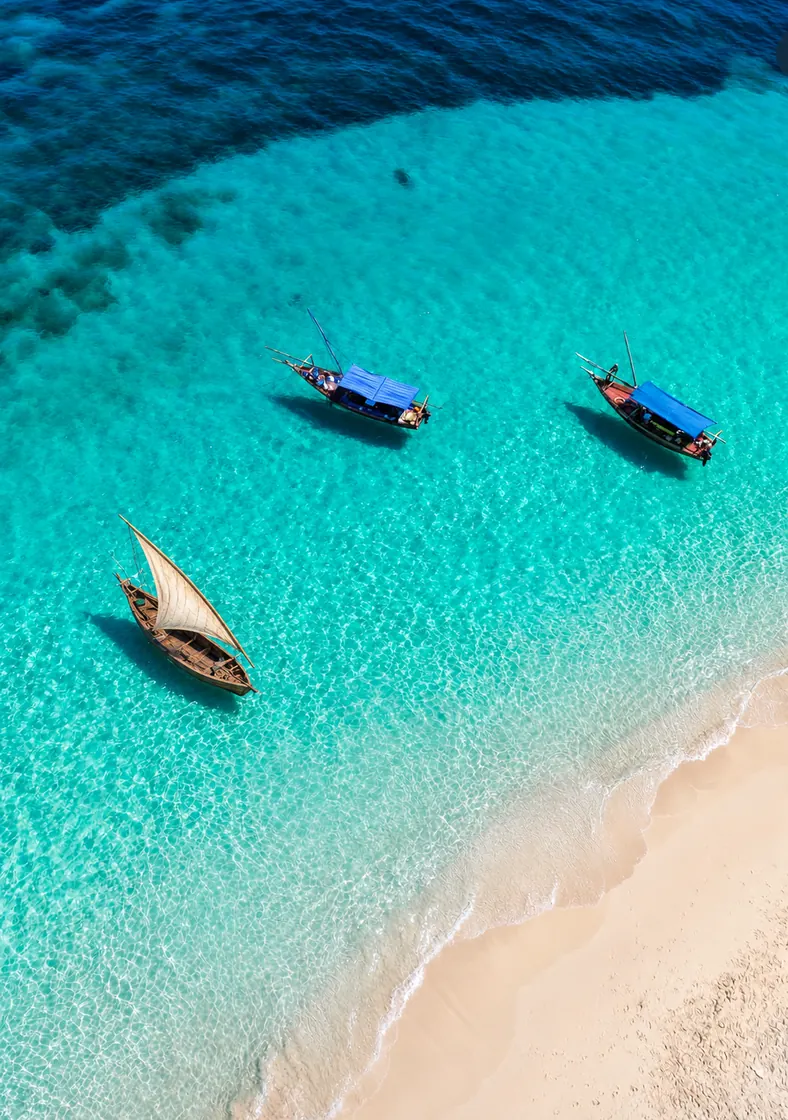
Take a wooden dhow across Menai Bay, stop on a sandbank and snorkel over a reef. You can also explore mangrove-lined waterways or head north for diving and snorkelling trips around Mnemba.
Find dhow trips and ocean tours on the map with the COLIZA Pass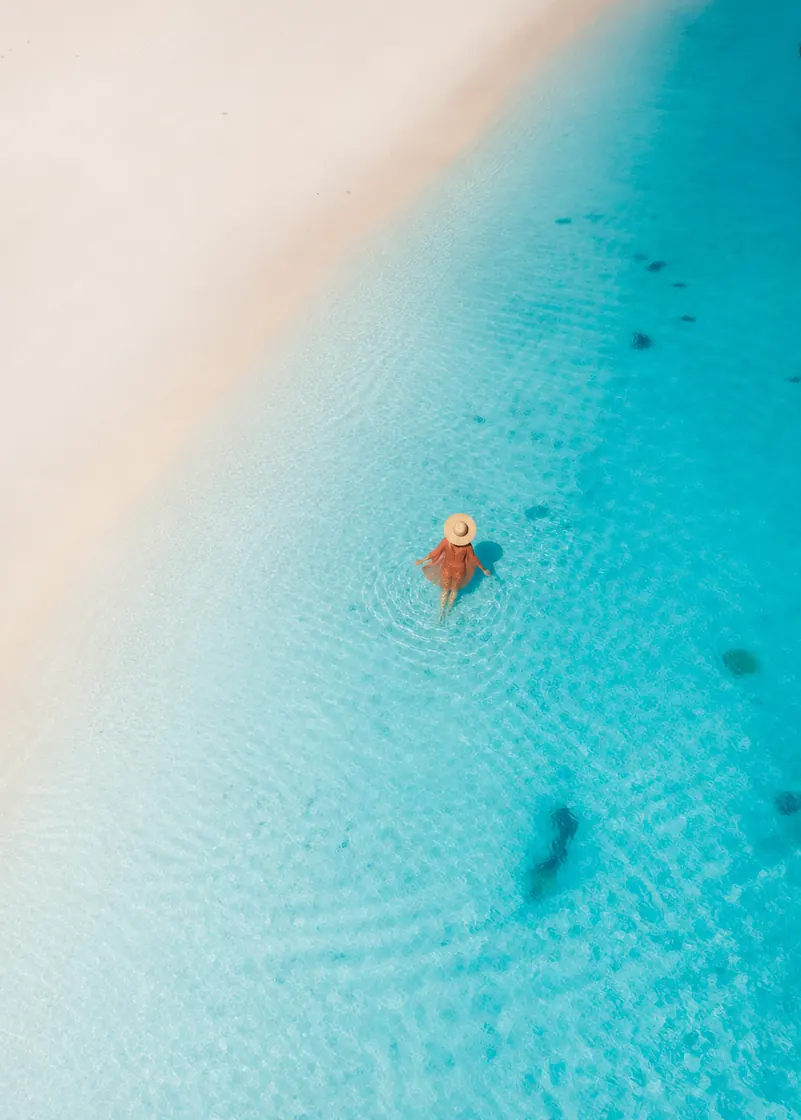
Long white stretches near Paje and Jambiani, rocky coves further along the coast, sunsets in the north. Give the same beach a few hours and it might look like a new one. On the east coast, the tide can turn a turquoise lagoon into a long walk across exposed sand.
Offshore reefs shelter some lagoons. Water depth and currents still change with the tide, so ask locally about the best spot and time to swim. The tide is the one thing on the island that refuses to work around your calendar.
Find beach spots and their details on the map with the COLIZA Pass
Start with a good coffee, a Swahili dinner or a drink with a sunset view. On the east coast, Paje brings beach cafés, bars and restaurants together. Order pasta made with island ingredients one night, then move on to sushi or other Asian dishes the next.
Make the evening what you want it to be. Alongside established cafés, newer kitchens and beachfront venues are giving people more choice. Find laid-back beach bars, live music nights, DJ sets and clubs where you can stay out dancing. Check what’s on before you go.
Find bars and nightlife on the map with the COLIZA Pass Explore live music and events with the COLIZA PassTry diving with an instructor or get certified. Nungwi is a starting point for reef dives in the north.
Find diving schools with the COLIZA PassPaje’s wide lagoon is a great place to learn to control a kite, try your first run or brush up on your technique.
Find kitesurf schools with the COLIZA PassSee a quieter side of the island on horseback. Rides are available in the north. Ask the stables which ride is right for your level.
Find horse riding with the COLIZA PassChoose a dhow sail, a sandbank stop or a day on the Indian Ocean.
Find boat tours with the COLIZA PassExplore Stone Town with a guide or see how cloves, cinnamon and vanilla grow on a spice farm.
Find culture and spice tours with the COLIZA Pass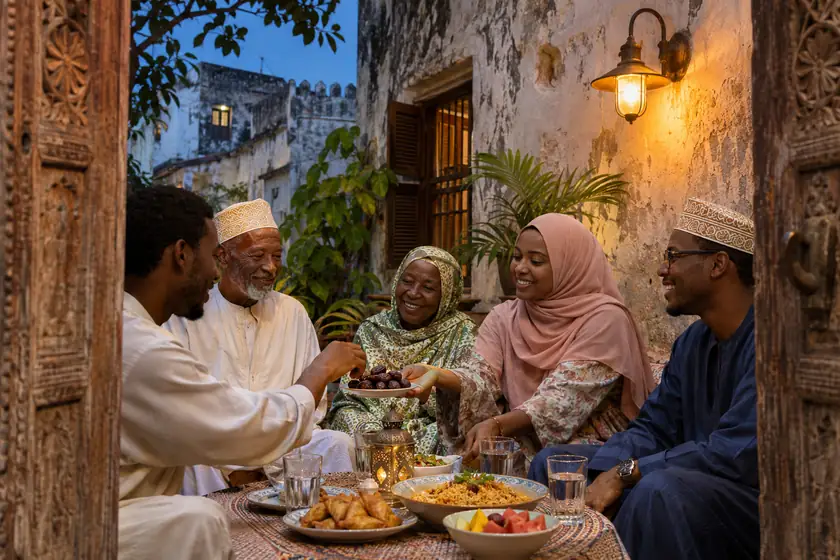
Islam is a central part of life across Zanzibar. In villages, towns and other public places, wear clothing that covers your shoulders and knees. Keep swimwear for the beach or pool. Ask before entering a place of worship or photographing people.
Ramadan 2027 is expected to start around 8 February. Local moon sightings determine the official start. Many people fast from dawn to sunset. Avoid eating, drinking or smoking in public during fasting hours. Some cafés and restaurants open later, shorten their hours or close during the day. Check directly with the venue, especially away from hotels.
Low tide exposes stretches of sand and reef flats, especially along the east coast. High tide brings the water back to shore. The difference varies by beach and day, so check the local tide table and ask about currents before swimming or heading out on a reef walk.
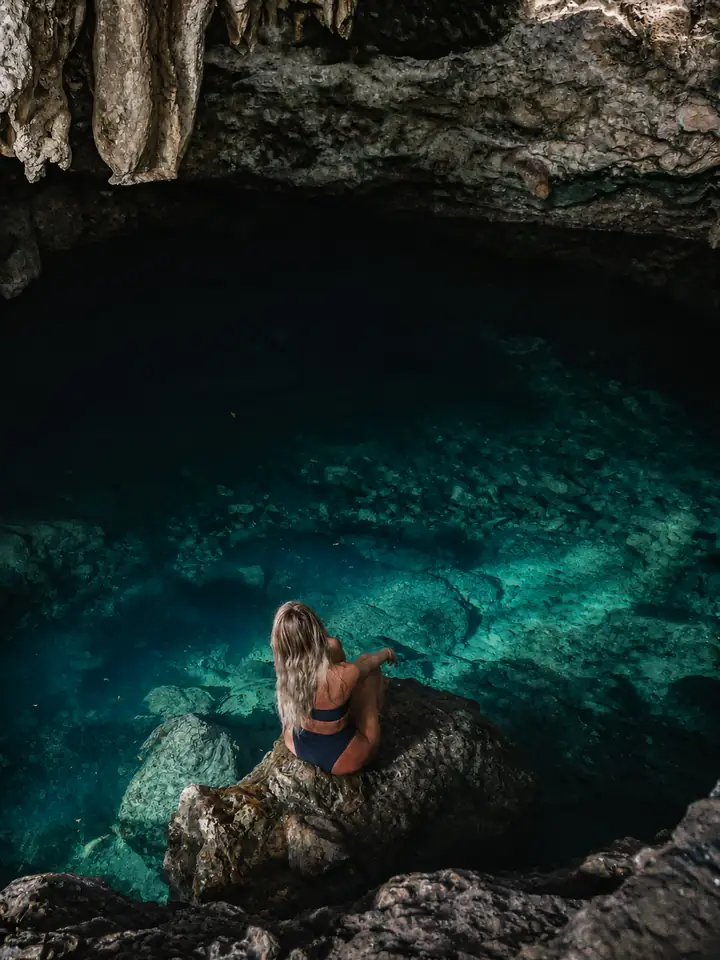
For a change from salt water, look for natural freshwater pools and limestone caves inland. Maalum and Paje Cave are two examples. Opening times, access and reservations vary by site.
Zanzibar harbour tide predictions · Tanzania Meteorological Authority marine weather
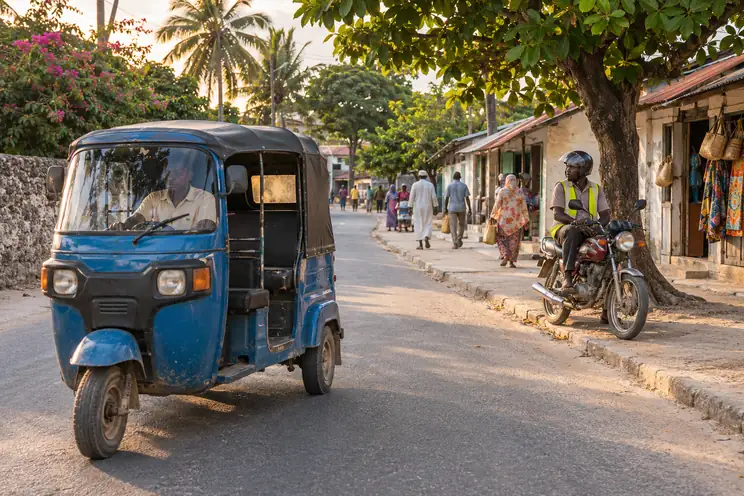
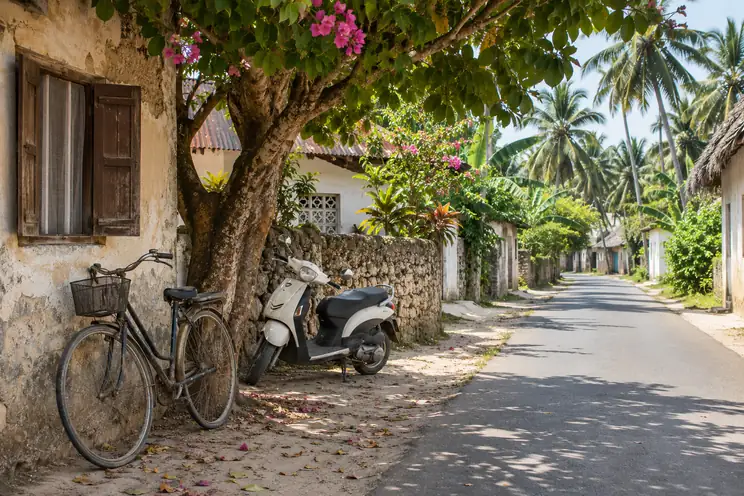
Main routes connect Zanzibar City with the north, east and south of Unguja. Expect more variation on village lanes and side roads. Cars, scooters, motorbikes and bicycles are available to hire. Drive on the left, and ask the rental provider about the Zanzibar driving permit before renting a motor vehicle.
For a short ride, a bajaji is a three-wheeled taxi and a boda-boda is a motorbike taxi. Dala-dalas are shared minibuses and another low-cost option. Agree the fare before a taxi ride. For an airport transfer or travelling after dark, you can arrange a taxi through your accommodation.
ATMs are easier to find and cards are more widely accepted in towns and busy visitor areas. Larger businesses often accept cards. Carry some Tanzanian shillings for markets, small shops or local transport, where cards may be unavailable.
Find taxi, bajaji and boda-boda contacts with the COLIZA Pass
Illustrations include AI-edited and AI-generated images.